Automotive Window Tint Installer Career Guide
Explore the skills, portfolio examples, training, and career steps that can help automotive window tint installers prepare for their next opportunity.
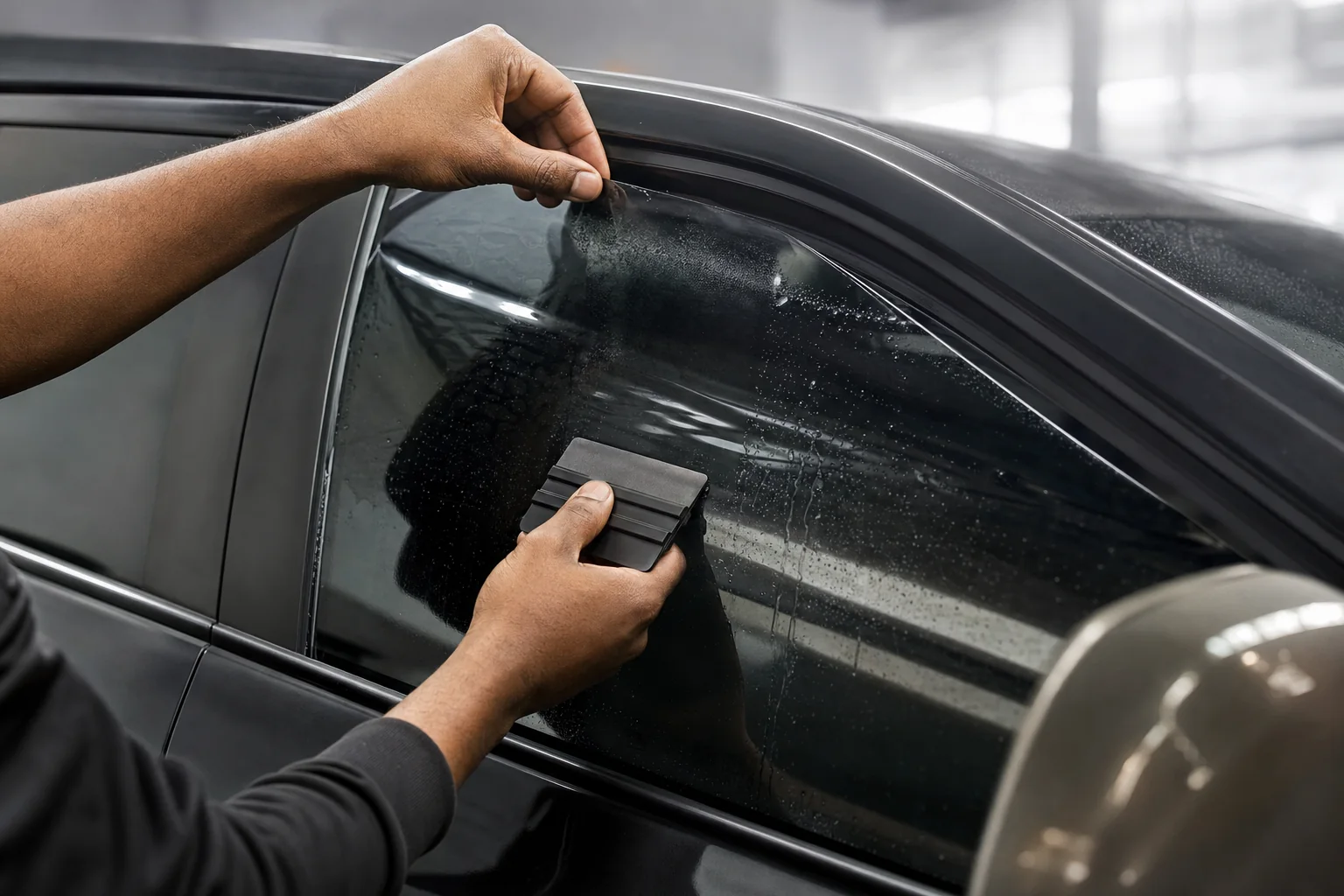
Automotive window tint installation is a hands-on trade built on preparation, precision, product knowledge, and repeatable results. A strong installer does more than apply film: they understand how vehicle condition, glass shape, workspace control, and customer expectations affect the finished job.
If you are considering a new role, the clearest way to present your experience is to document what you can do reliably. Employers may use different titles for similar work, so practical detail is often more useful than a job title alone.
Core skills employers may evaluate
Requirements vary by shop and position, but employers commonly want to understand the full installation process you can manage independently. Be specific about your preparation methods, the vehicle types you regularly handle, and how you prevent contamination, light gaps, creases, and damage.
- Film handling, shrinking, patterning, trimming, and clean edge work
- Safe removal of old film and adhesive residue
- Comfort working with curved rear glass and difficult door panels
- Knowledge of common film types and appropriate care instructions
- Consistent workspace preparation and contamination control
- Clear communication about timing, limitations, and final inspection
Build a portfolio that shows consistency
A useful portfolio does not need elaborate photography. It should make your workmanship easy to evaluate. Include well-lit images of complete vehicles, close details around edges and dot-matrix areas, and examples of more difficult installations. When permitted, add a short note about the vehicle, film, and work you performed.
Choose recent work that represents your normal standard. A small, focused portfolio is more credible than a large collection with no context. Never share a customer's private information or a former employer's confidential material without permission.
Describe experience accurately
Separate time spent training from time working independently. Explain whether you handled complete installations, assisted another installer, worked on specific glass sections, or managed quality control. If you have experience with architectural film, paint protection film, vinyl wrap, detailing, or auto glass, list those as distinct supporting skills.
Formal certification can be valuable, but it is not the only evidence of ability. Product-specific training, supervised shop experience, references, and a practical assessment may also help an employer understand your level.
Questions to ask about a tint opportunity
A good career move should fit your working style as well as your technical ability. Before moving forward, ask enough questions to understand how the shop operates and what success in the role looks like.
- Which services and vehicle types make up most of the workload?
- How are jobs scheduled, inspected, and assigned?
- Which tools, plotters, patterns, and film products are provided?
- Is compensation hourly, salaried, commission-based, or a combination?
- What training, advancement, or leadership paths are available?
- Are relocation expectations or support discussed before an introduction?
Prepare for a confidential search
Keep your résumé, work examples, availability, and location preferences current. A recruiter should explain how your information will be used and identify the employer before presenting your profile. You should also have the opportunity to decide whether a specific introduction makes sense.
AutoCraft Talent recruits and screens professionals for confidential opportunities with established automotive businesses. Employer details are shared during the screening process and before a candidate's information is presented.
This guide is general career information, not a promise of employment or a description of every employer's requirements. Role details, compensation, and qualification standards vary by opportunity.