PPF Installer Careers: Skills Employers Look For
Learn how paint protection film installers can present their technical experience, portfolio, quality standards, and career goals to prospective employers.
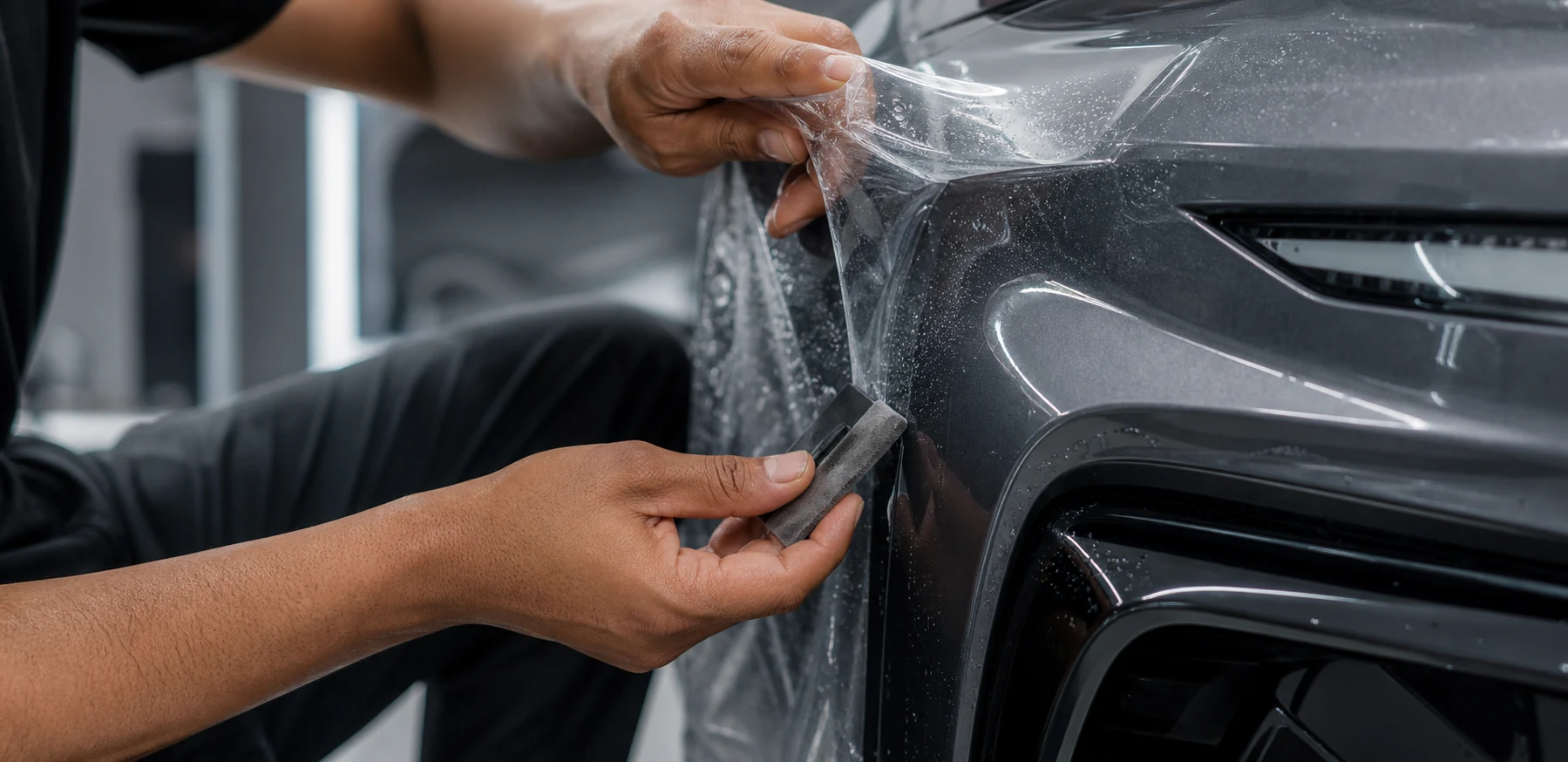
Paint protection film installation rewards patience and controlled technique. The best results come from a repeatable process: careful inspection, thorough preparation, confident film handling, clean finishing, and a final quality check that catches small issues before delivery.
When you explore a PPF installer career opportunity, employers will usually need more than a list of brands or years. They need to understand the coverage you can complete, the quality you can repeat, and how independently you can work.
Show the scope of work you can complete
Explain whether your regular work includes partial-front packages, full-front coverage, complete vehicles, interior protection, specialty surfaces, or custom pieces. Note your comfort level with bumpers, mirrors, rocker panels, compound curves, wrapped edges, and disassembly when appropriate.
If you use both pre-cut patterns and bulk installation methods, describe when and why. Employers may value different approaches depending on their workflow, vehicle mix, and risk controls.
Quality is a process, not only a finished photo
Finished photographs are helpful, but a hiring team may also ask how you reached the result. Be ready to discuss surface inspection, decontamination, slip and tack solution control, alignment, stretch management, edge preparation, post-heating, and final inspection.
- How you identify paint, bodywork, or surface conditions before installation
- How you reduce contamination and trapped moisture
- How you manage tension around curves, recesses, and edges
- How you decide when a panel should be reinstalled
- How you document existing damage and communicate limitations
- How you check the vehicle before customer delivery
Create a credible PPF portfolio
Use clear, recent images that show complete panels and close details. Include a range of installation difficulty rather than many versions of the same straightforward job. Short captions can identify the vehicle area, coverage type, pattern or bulk method, and your exact contribution.
If a job involved a team, say which parts you completed. Accurate context builds trust and helps an employer plan a useful technical conversation or practical assessment.
Technical skill and shop contribution
Experienced installers often contribute beyond their own bay. If relevant, describe how you estimate production time, protect vehicle interiors, maintain tools, coordinate with detailers, guide junior installers, handle rework, or communicate with customers. These habits can matter for lead and trainer opportunities.
Speed matters only when it is paired with a repeatable quality standard. Avoid giving production estimates that combine very different coverage packages or vehicle conditions without explanation.
Evaluate the opportunity as carefully as the employer evaluates you
Ask about typical package mix, workspace conditions, scheduling expectations, quality-control standards, compensation structure, and who carries responsibility for pre-existing vehicle issues. If relocation is involved, confirm the location, expected start timing, and any employer-specific support before making commitments.
A confidential recruiting process should give you enough information to make an informed decision before your profile is shared with a specific employer.
This guide is general career information, not a promise of employment or a description of every employer's requirements. Role details, compensation, and qualification standards vary by opportunity.