Auto Glass Installer Career Guide: Skills and Next Steps
Learn how auto glass installers can present replacement, repair, calibration, safety, and customer-service experience when exploring a new role.
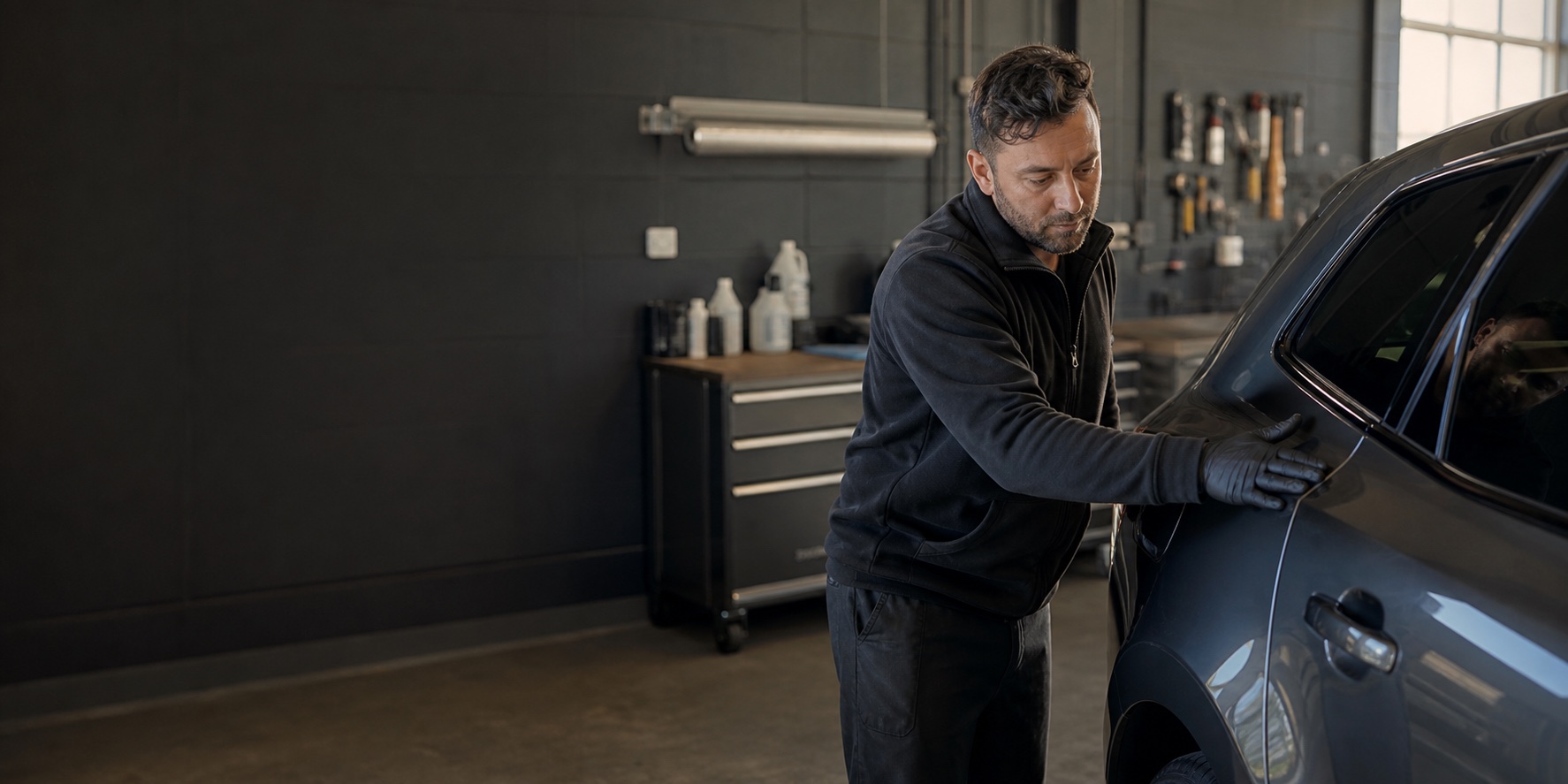
Auto glass work combines technical judgment, vehicle protection, safe material handling, and careful documentation. An installer may move between windshield replacement, stone-chip repair, door glass, quarter glass, moldings, leak diagnosis, and advanced driver-assistance system procedures during a normal week.
When you explore a new position, describe the work you can complete safely and consistently. Employers need to understand the vehicles and procedures you know, the support you require, and how you protect both the customer and the vehicle throughout the job.
Explain your installation experience precisely
List the types of glass you regularly service and whether you work in a fixed shop, a mobile setting, or both. Explain your comfort with removal, pinch-weld preparation, primer and adhesive systems, setting methods, molding replacement, water testing, and final cleanup. If you handle only part of a replacement process, say so clearly.
Vehicle mix matters. Experience with passenger vehicles, trucks, commercial fleets, luxury vehicles, classics, or heavy equipment may involve different access, trim, tooling, and risk considerations. Specific examples help a hiring team plan a meaningful technical discussion.
Show how you approach safety and quality control
A finished windshield can look correct while still requiring careful attention to preparation, adhesive instructions, safe-drive-away time, and installed components. Be ready to explain the checks you perform before, during, and after a job without sharing a former employer's confidential procedures.
- Vehicle and glass inspection before work begins
- Interior, paint, trim, and electronics protection
- Pinch-weld preparation and corrosion awareness
- Product-specific primer, adhesive, temperature, and cure guidance
- Leak, fit, molding, camera, sensor, and final-cleanliness checks
- Clear documentation of pre-existing damage and completed work
Describe ADAS and calibration exposure accurately
Windshield-mounted cameras and sensors have made calibration awareness increasingly important. State whether you identify calibration requirements, perform static or dynamic calibrations, operate specific equipment, interpret results, or coordinate the vehicle with a qualified calibration provider.
Do not imply independent calibration experience if your responsibility has been limited to scheduling or support. Accurate scope is especially important where vehicle safety systems are involved, and employer procedures may differ by equipment, manufacturer guidance, and local requirements.
Prepare evidence that respects customer privacy
A concise portfolio can include clear images of completed installations, difficult trim or molding work, repairs, and organized mobile or shop setups. Add short captions explaining the vehicle area, the challenge, and your contribution. Remove license plates, paperwork, addresses, and other identifying information unless you have permission to share them.
References, documented training, product-system experience, and a practical assessment can help support your résumé. Certification requirements vary, so distinguish current credentials from expired training or informal experience.
Questions to ask before accepting an auto glass role
The right role depends on more than job title. Ask how work is dispatched, what support is available for difficult removals, how weather affects mobile schedules, who manages calibration, and how quality concerns are handled. Confirm the compensation structure and any productivity expectations in writing before making a decision.
- Is the work shop-based, mobile, or a combination?
- Which tools, setting equipment, adhesives, and vehicles are most common?
- Who determines and completes required calibration procedures?
- How are drive time, cancellations, rework, and overtime handled?
- What training and progression paths are available?
- When are employer identity, location, and relocation details disclosed?
Use a confidential recruiting process deliberately
Keep your résumé, license information when relevant, work examples, schedule, location preferences, and references current. Before your information is presented, you should know which employer is involved and have the opportunity to decide whether the introduction makes sense.
AutoCraft Talent recruits and screens professionals for confidential opportunities with established automotive businesses. Employer details are shared during the screening process and before a candidate's information is presented.
This guide is general career information, not a promise of employment or a description of every employer's requirements. Role details, compensation, and qualification standards vary by opportunity.